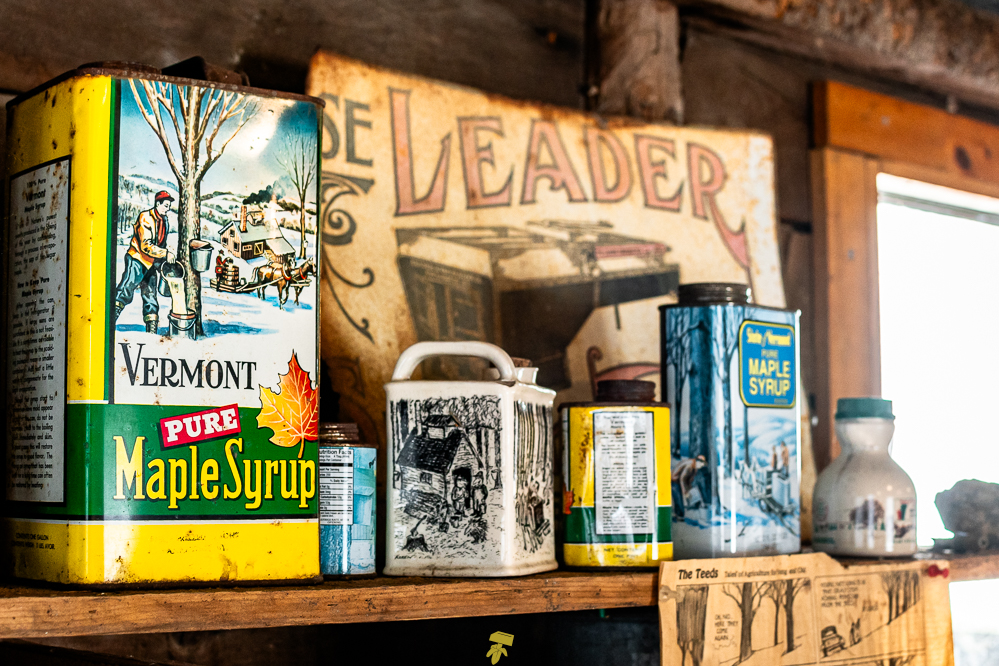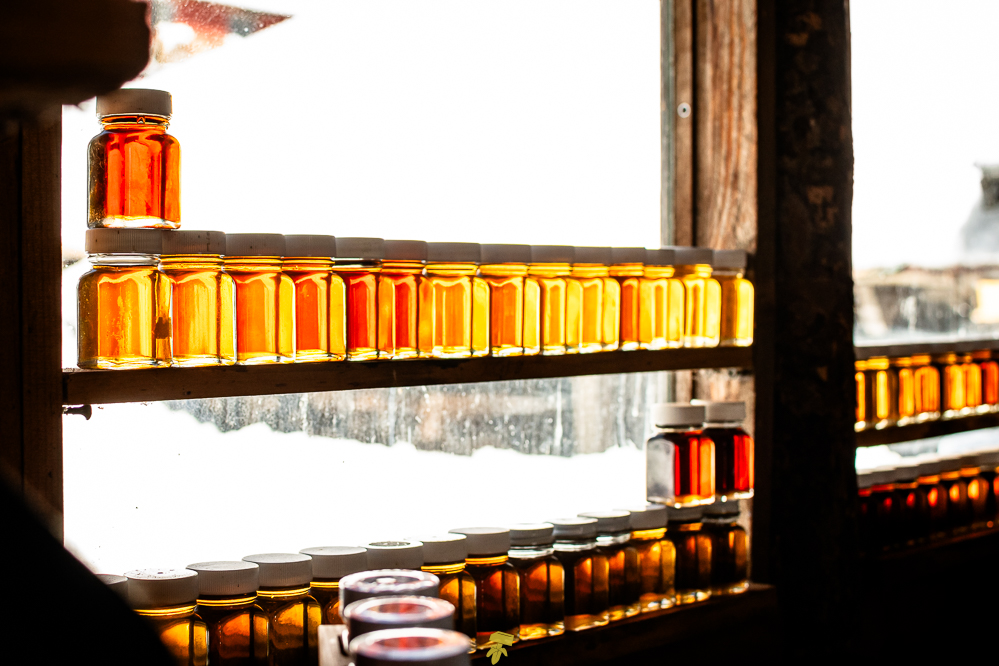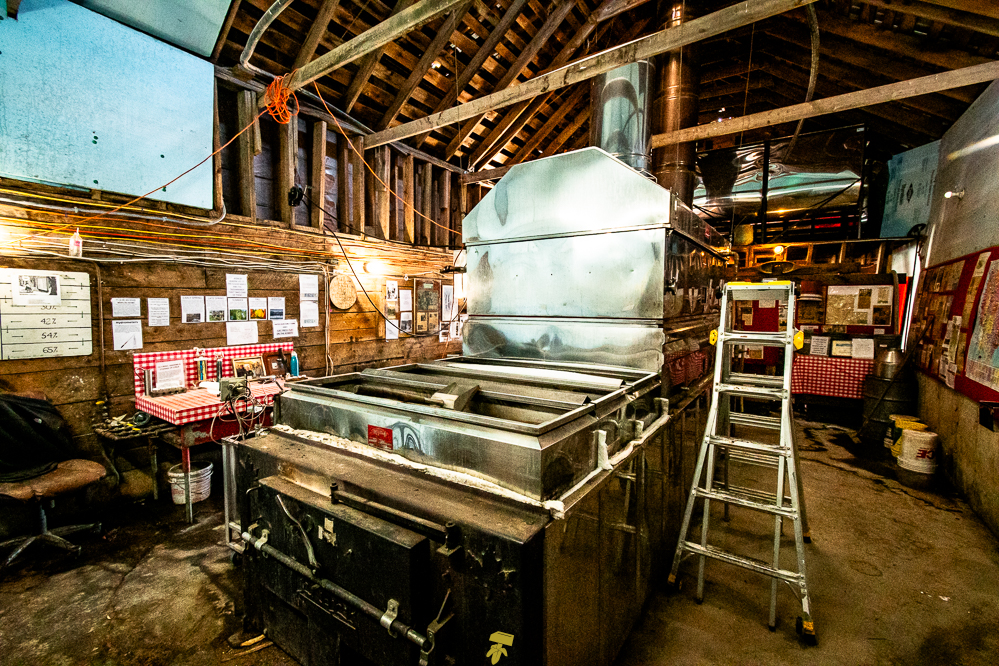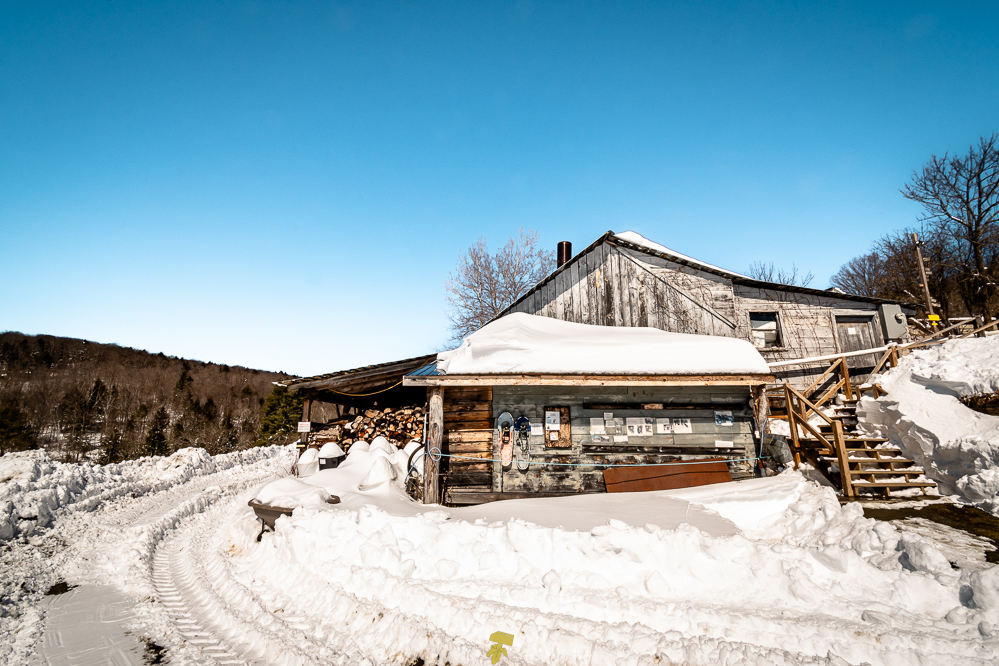
A day trip visiting three maple syrup producers in Vermont during the celebrated Maple Sunday, a day when most sugar shacks open to the public. Walk along tubes in the sugarbush, sample fresh syrup inside the humid and steamy shacks, and enjoy everything maple.
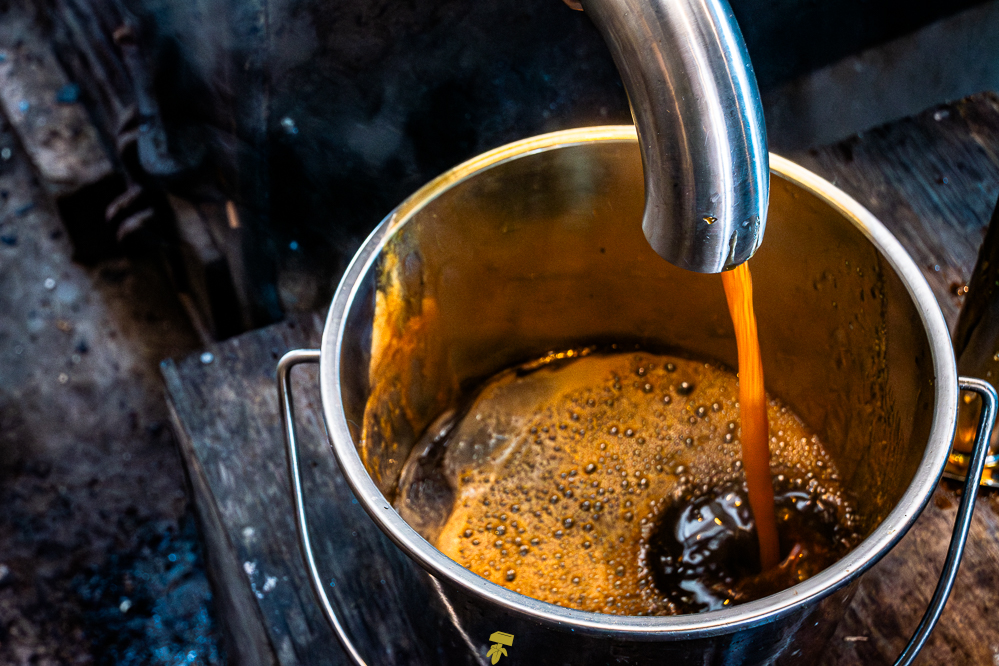
Maple syrup is a natural sweetener derived from the sap of maple trees. In cold regions, these trees store starch in their trunks and roots before winter, converting it to sugar that moves into the sap as temperatures warm in late winter and early spring. Producers tap trees by drilling small holes in the trunk and collecting the sap, which is then boiled to evaporate water and concentrate the sugars into syrup.
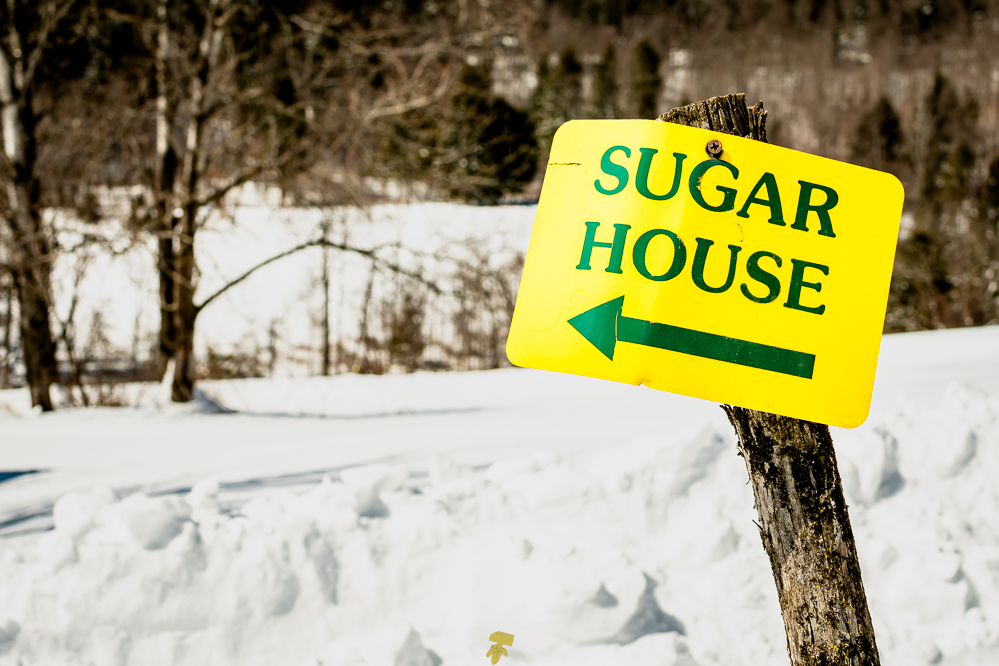
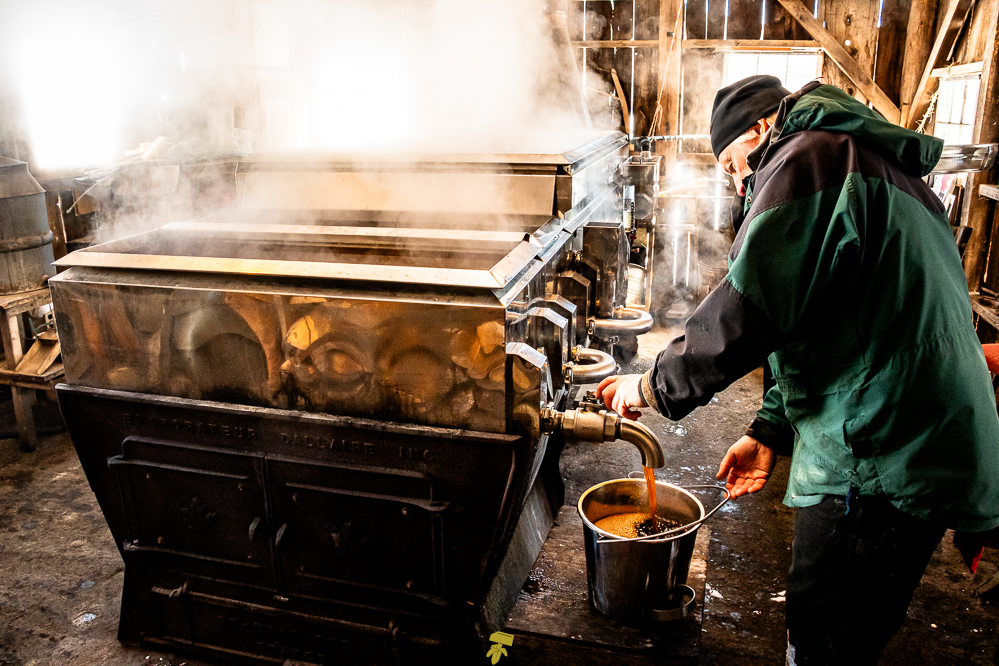
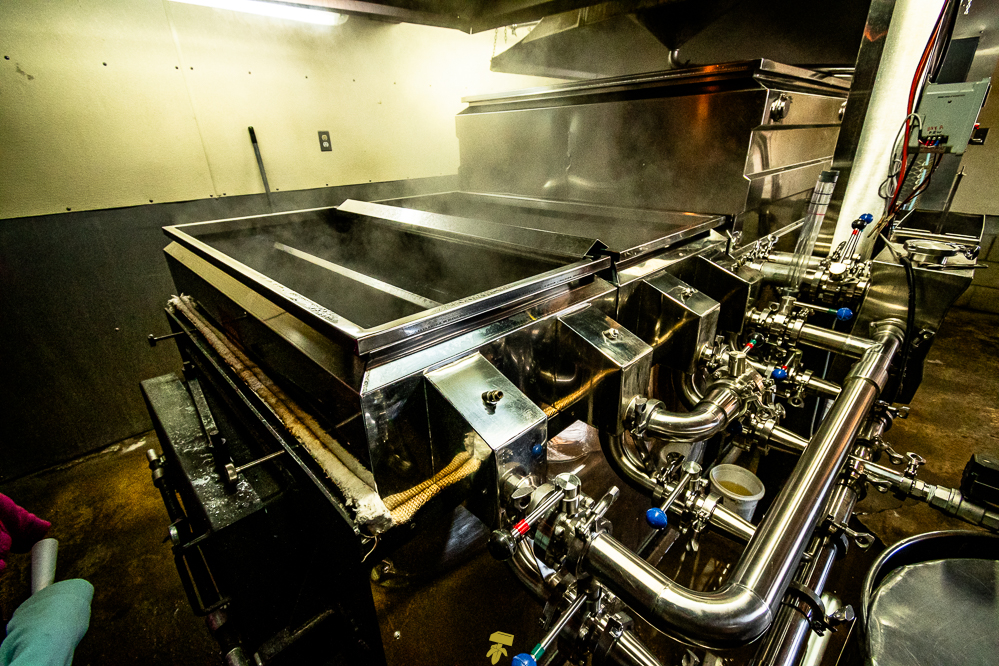
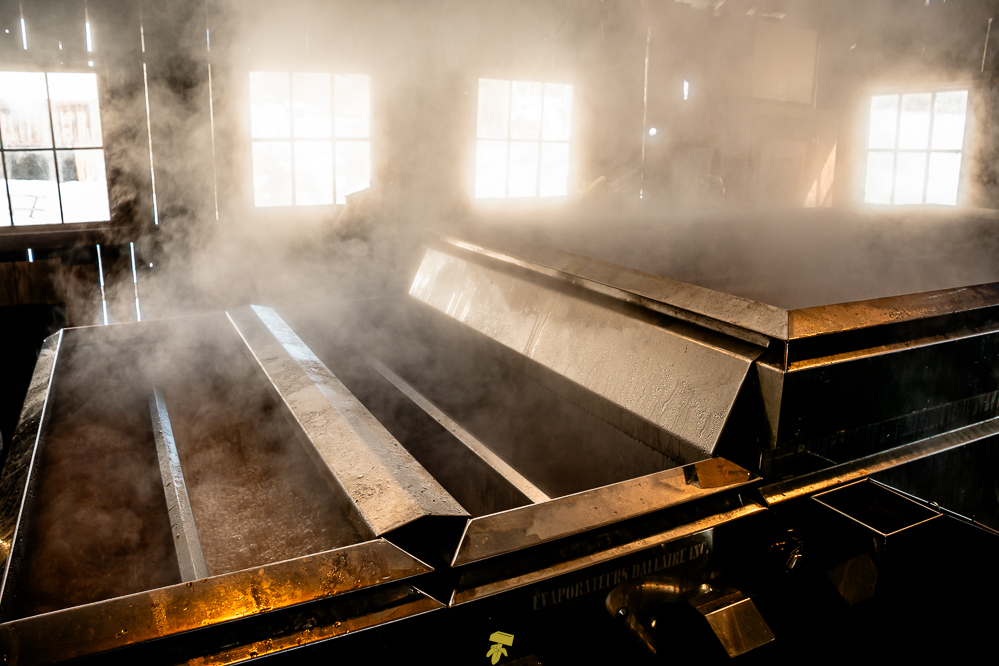
A maple syrup production farm is known as a sugarbush, a forest stand of maple trees utilized for maple syrup. Sugar shacks are often small louvered cabins where the collected sap is boiled into maple syrup. The tapping season arrives in late winter and early spring, lasting four to eight weeks. Its exact timing shifts each year—determined by weather, elevation, and regional climate, but the rhythm is always the same: cold nights, thawing days, and the brief window when the sap runs sweet and clear.
Maple trees are generally first tapped when they reach 30 to 40 years of age and can continue to be tapped for sap until they are over 100 years old. Depending on trunk diameter, a mature tree can support one to three taps, each yielding a steady trickle of sap as temperatures rise above freezing. Only a few maple species are typically used for syrup, the sugar maple (Acer saccharum), black maple (A. nigrum), and red maple (A. rubrum), because their sap naturally contains a higher sugar content, generally two to five percent.
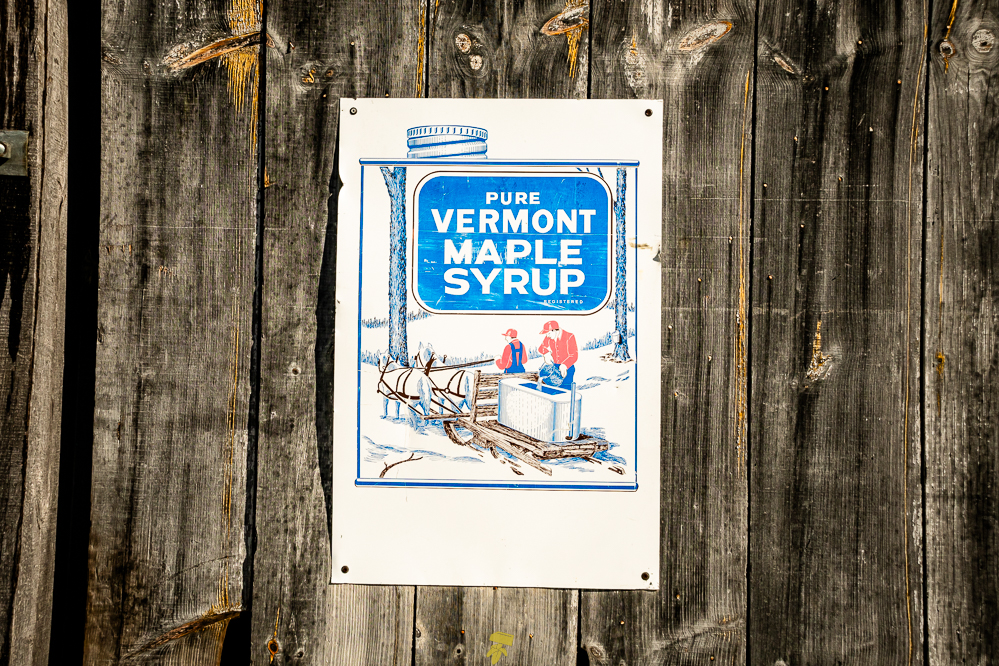
Over the course of a season, a single tree typically produces 13 to 35 gallons of sap, sometimes as much as 3 gallons in a single day. Vermont has long been the largest US producer, with a record 2.5 million gallons produced in 2022.
Indigenous peoples of Northeastern North America were the first to make maple syrup, developing techniques later adopted—and gradually altered—by European settlers. The craft remained largely traditional until a wave of technological innovation in the 1970s reshaped production. These innovations include plastic tubing systems replacing many metal buckets, vacuum pumps increasing sap yields, preheaters capturing heat lost in steam, and reverse-osmosis machines removing much of the sap’s water before boiling, dramatically improving efficiency. Today, nearly all of the world’s maple syrup comes from Canada and the United States.
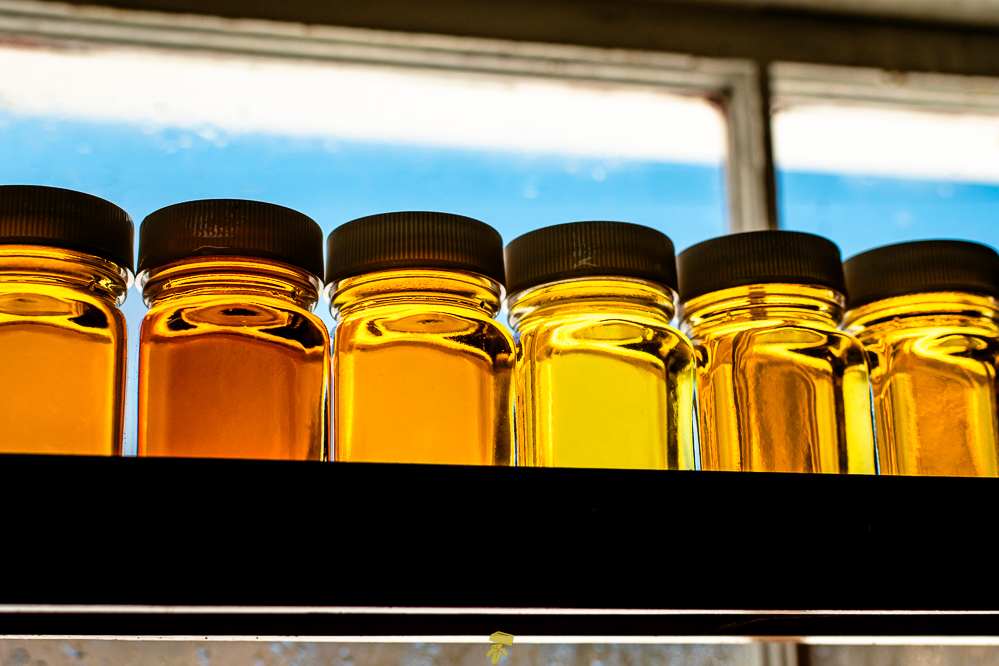
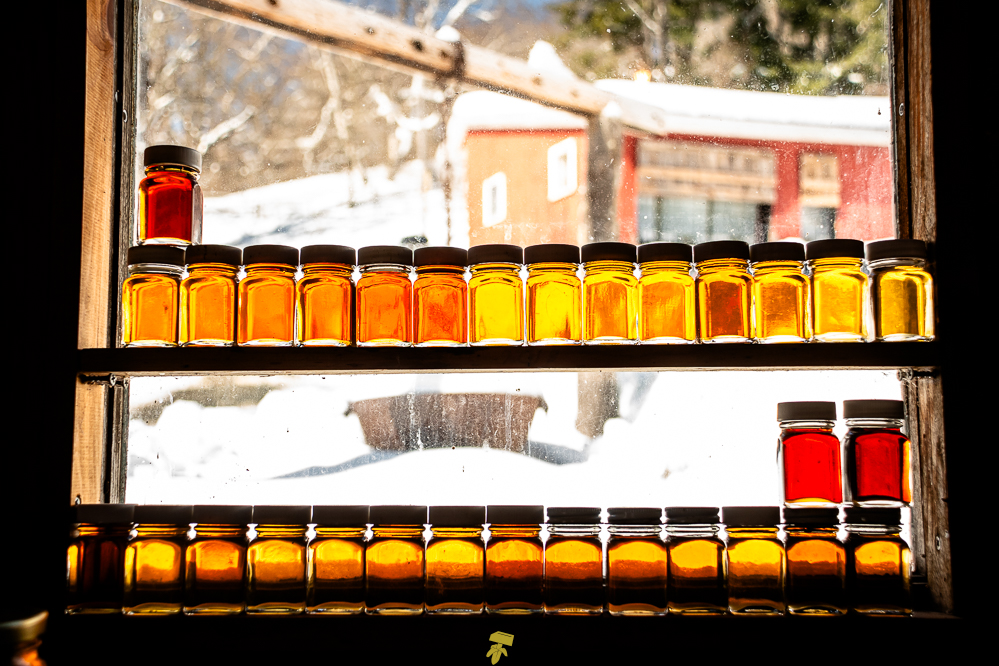
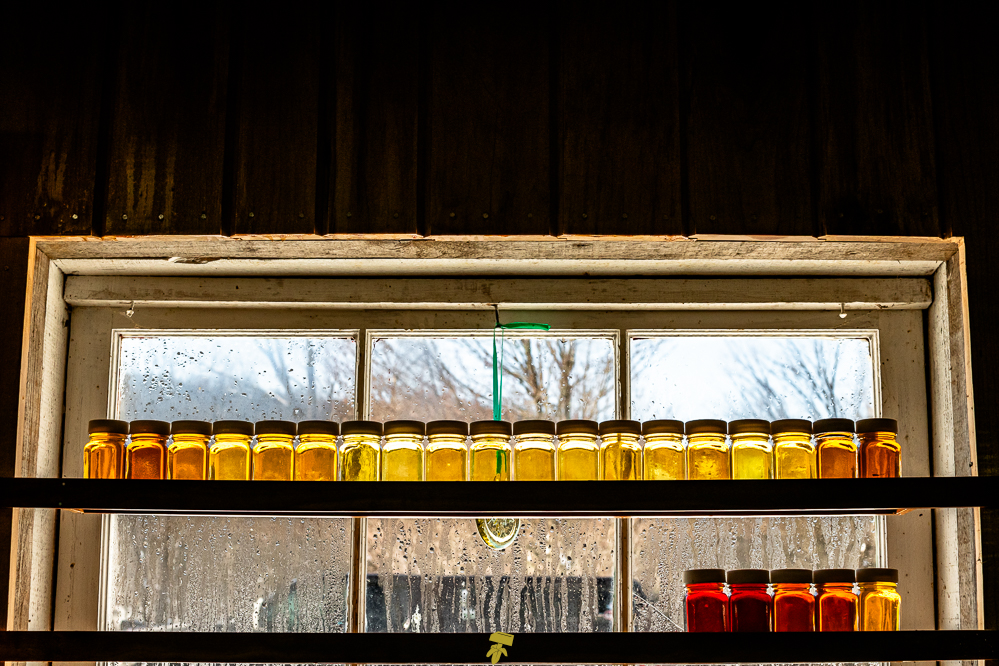
Maple syrup is graded by color and flavor intensity. Retail containers are all Grade A, which includes four standardized classes: Golden, Delicate; Amber, Rich; Dark, Robust; and Very Dark, Strong. Sucrose is the dominant sugar in maple syrup.
Vermont’s maple-making traditions, extending back to Indigenous practices, have given the state a strong sense of place in its syrup. Local soils and forests create a subtle terroir, and Vermont regulations require slightly higher density than other states, resulting in a syrup that is marginally thicker with a distinct mouthfeel.
Because maple syrup is a single-ingredient product, sustainable forest management is essential. Producers must care for the long-term health and biodiversity of their sugarbushes, ensuring the trees, and the tradition, remain resilient for generations.
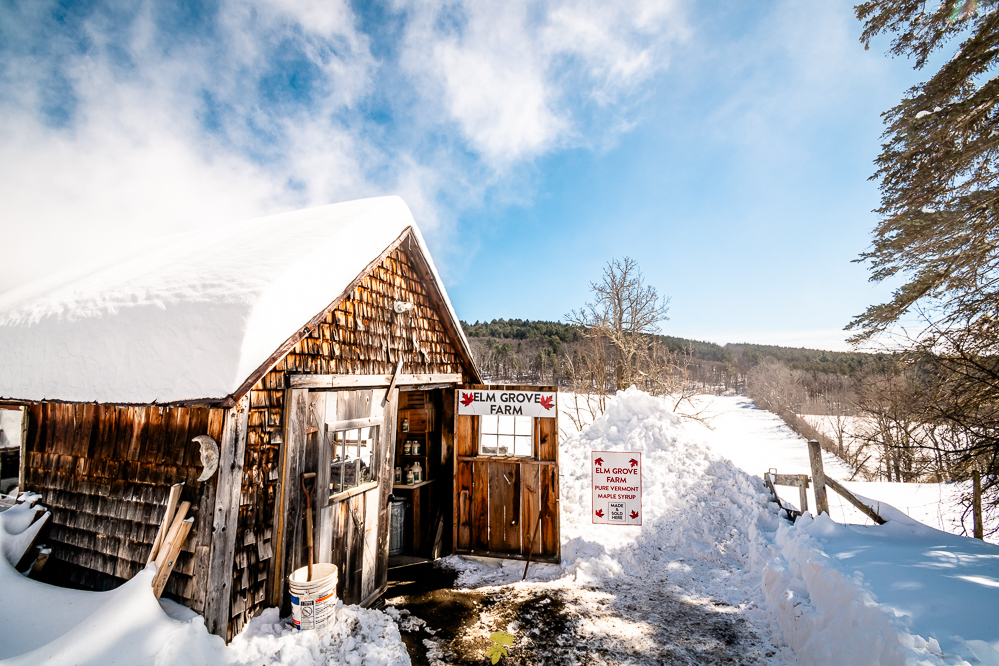
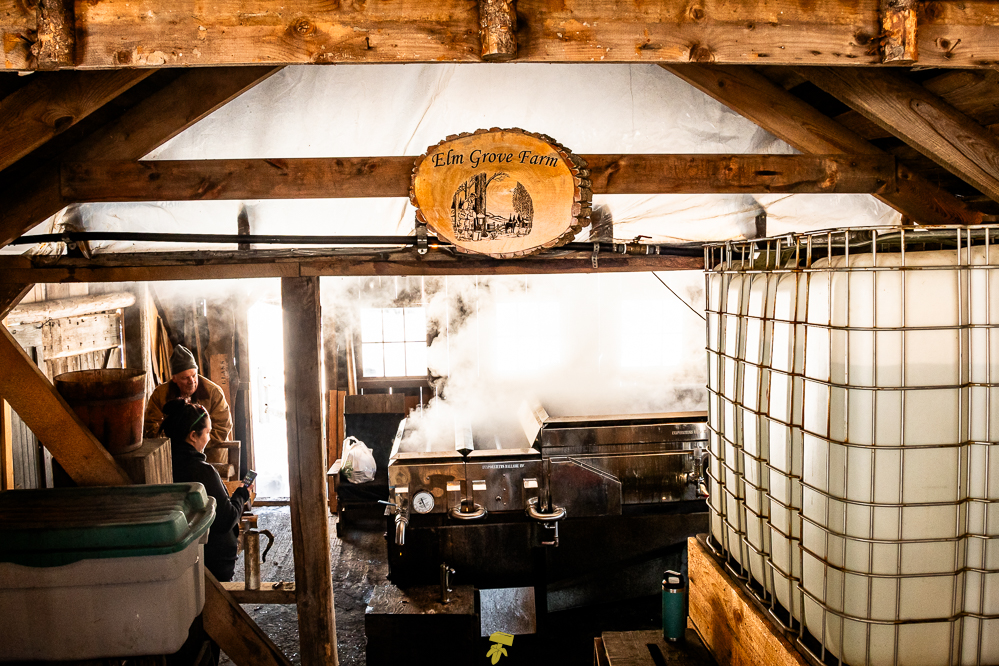
Tradition is very important to the folks at Elm Grove Farm. They collect sap in traditional Vermont sap buckets and boil the sap themselves in their rustic sugar shack in Pomfret, Vermont.
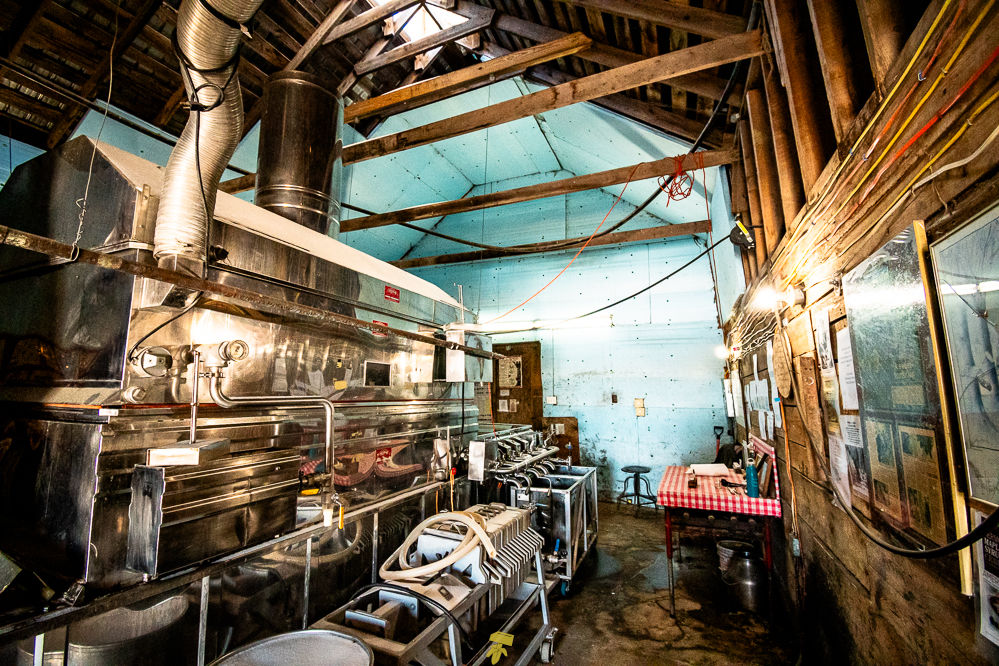
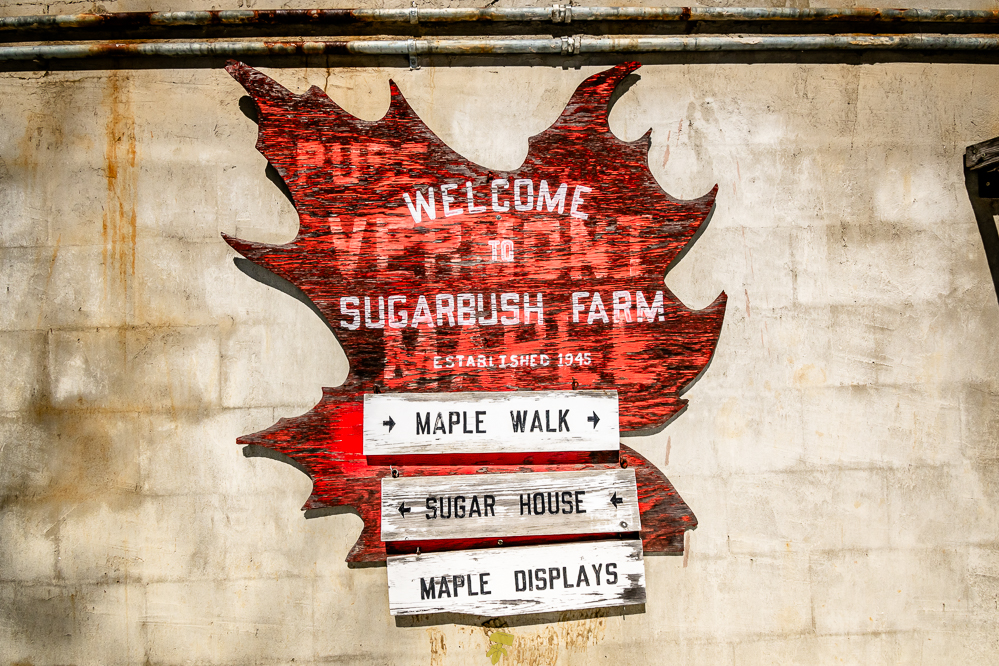
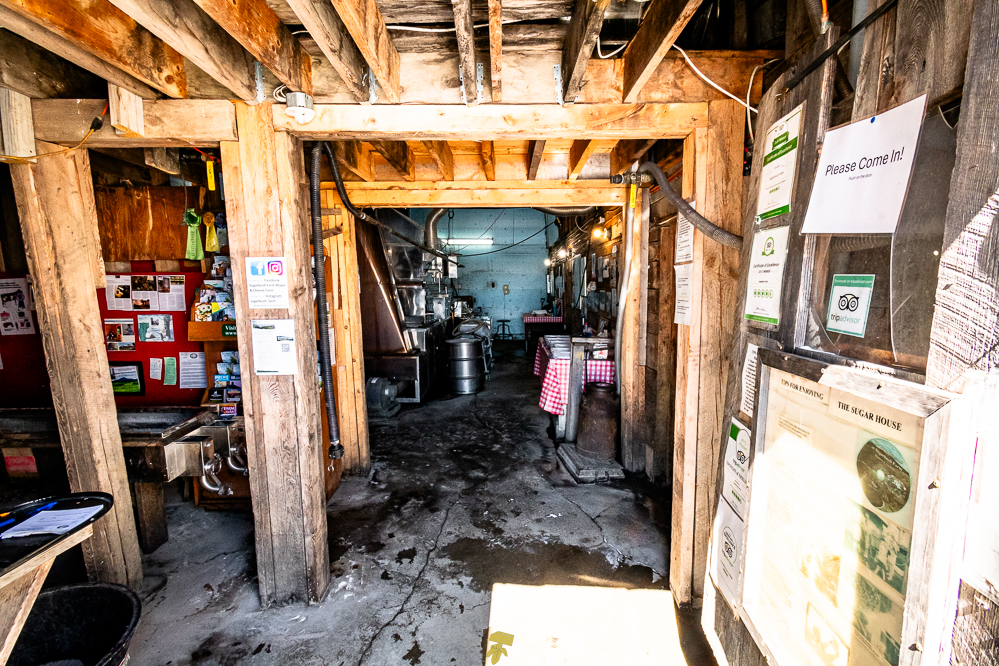
Sugarbush Farm, a working maple and cheese farm on the outskirts of Woodstock, Vermont. Their sugar house is open year-round, including a trail through the bush and a small marketplace offering an array of maple products, cheese, and other Vermont-made items and crafts.
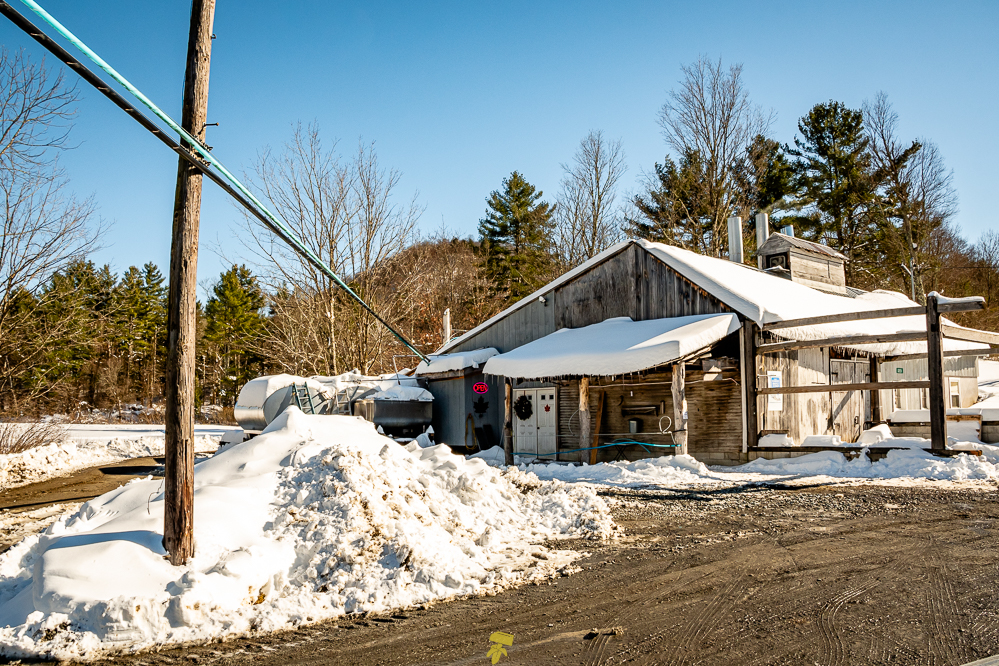
Six-generation Green’s Sugarhouse has been sugaring the mountainsides of Finel Hollow since 1774. Tubing from the maple trees across the street flows straight into their sugar house where they blend tradition and science to make their award-winning maple syrup.