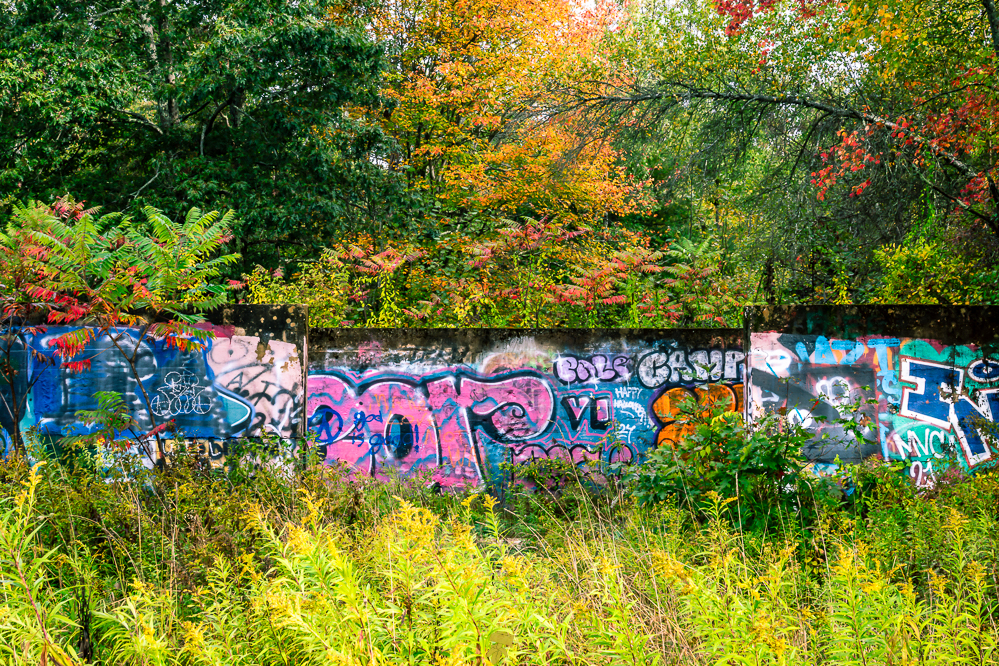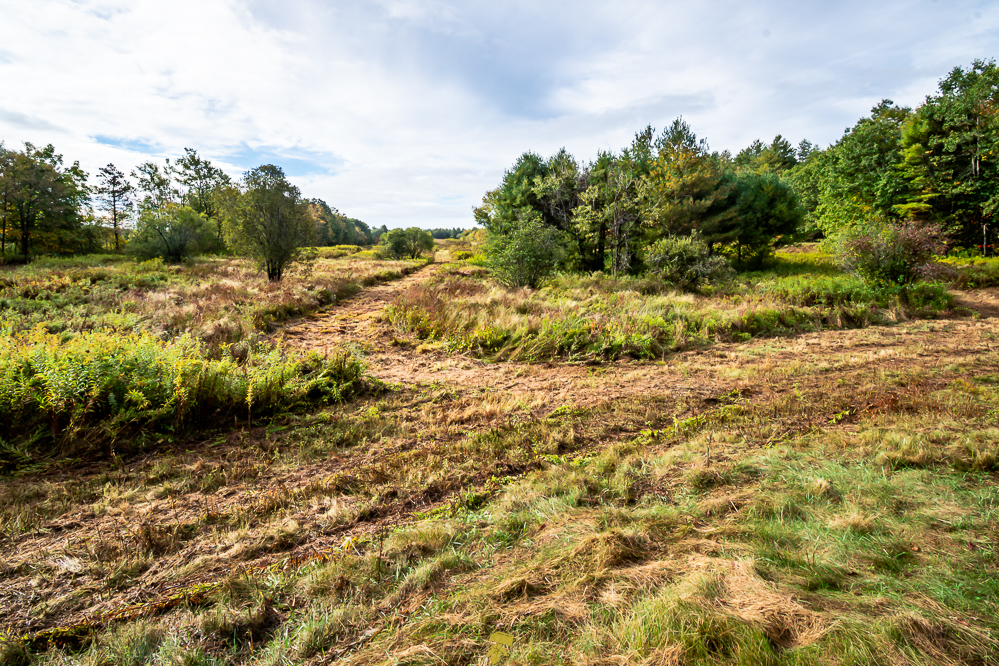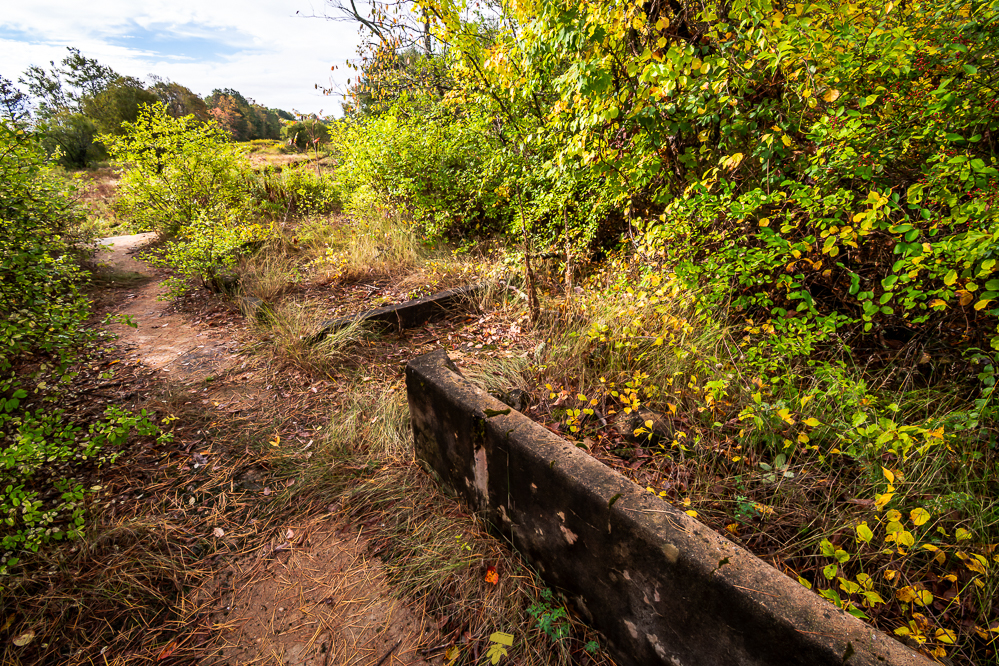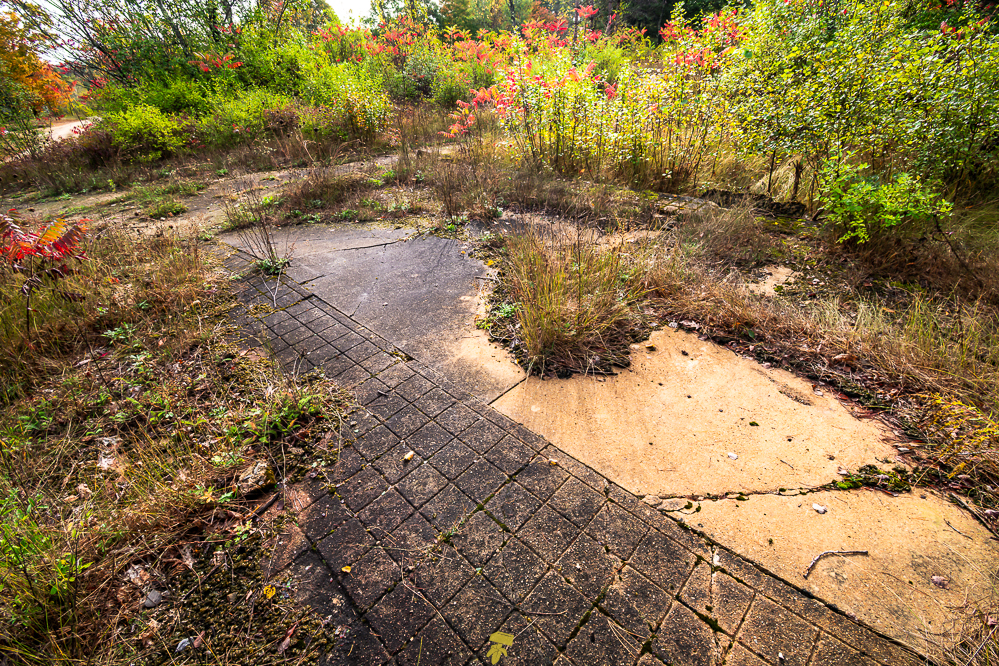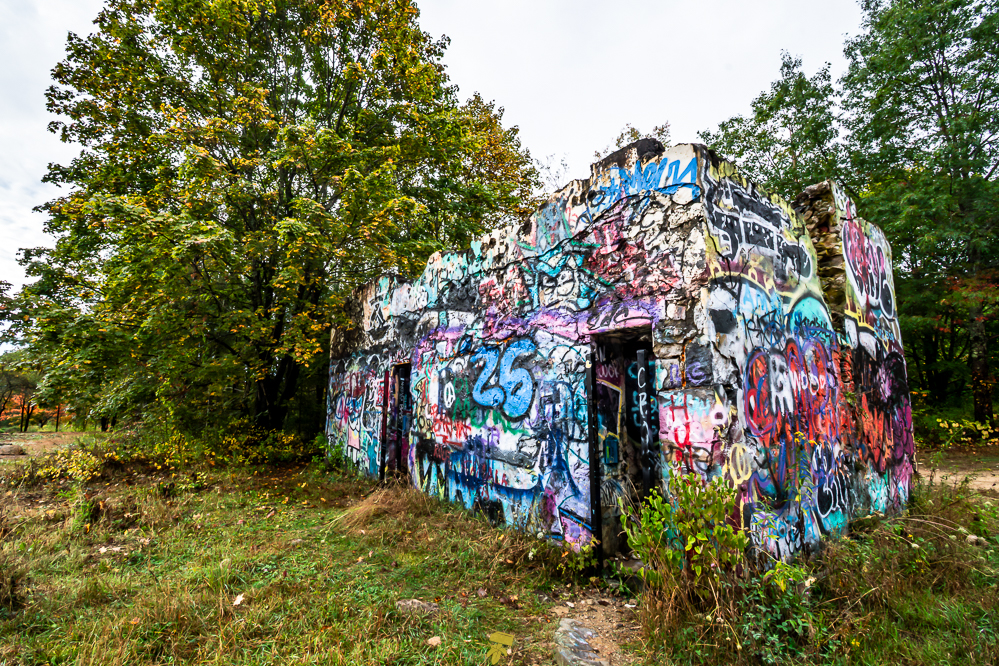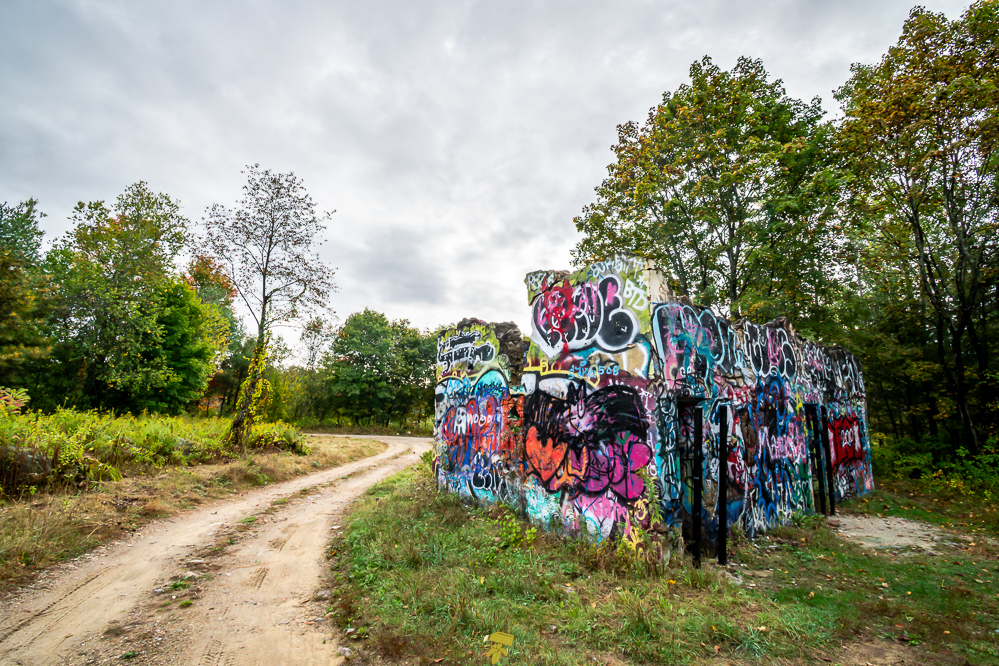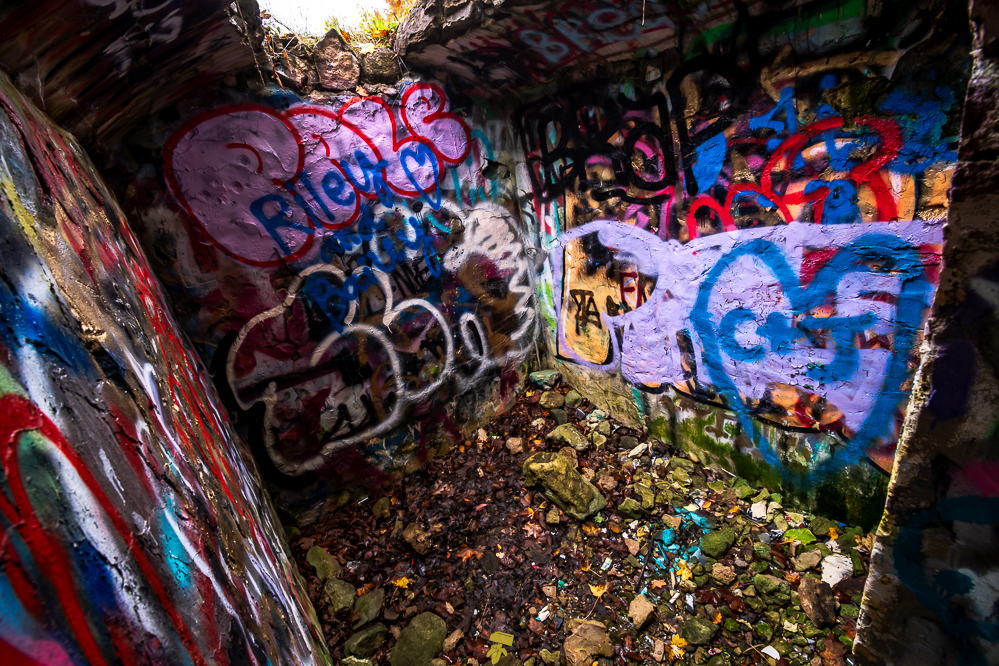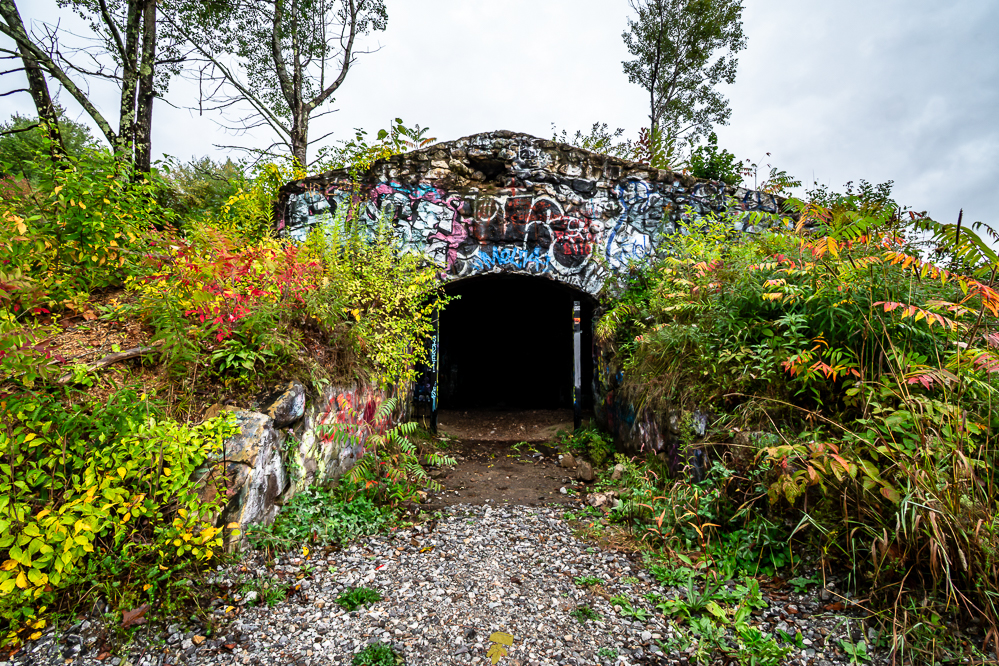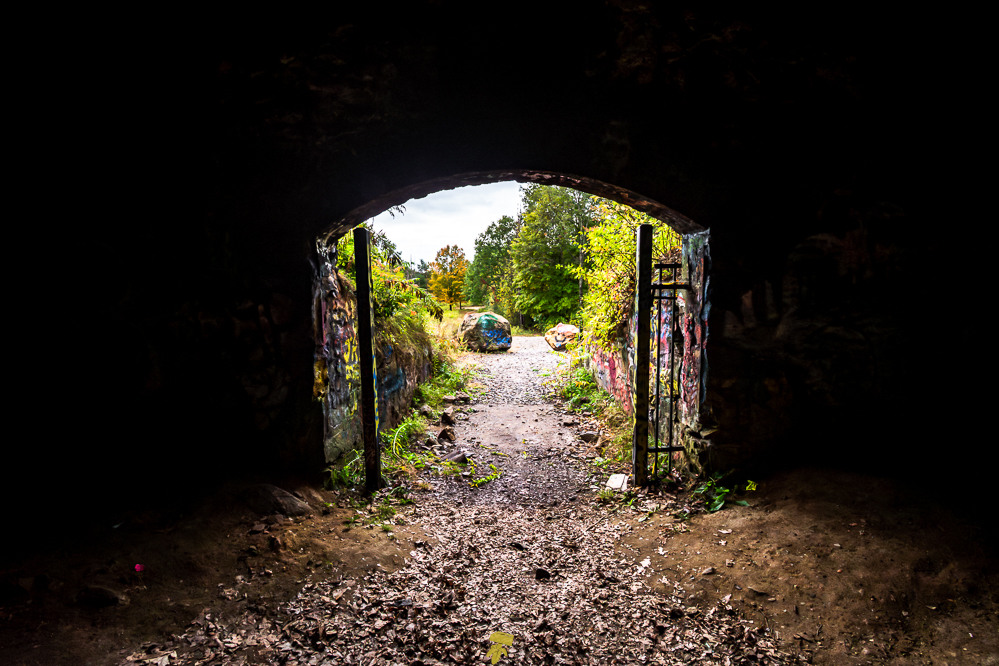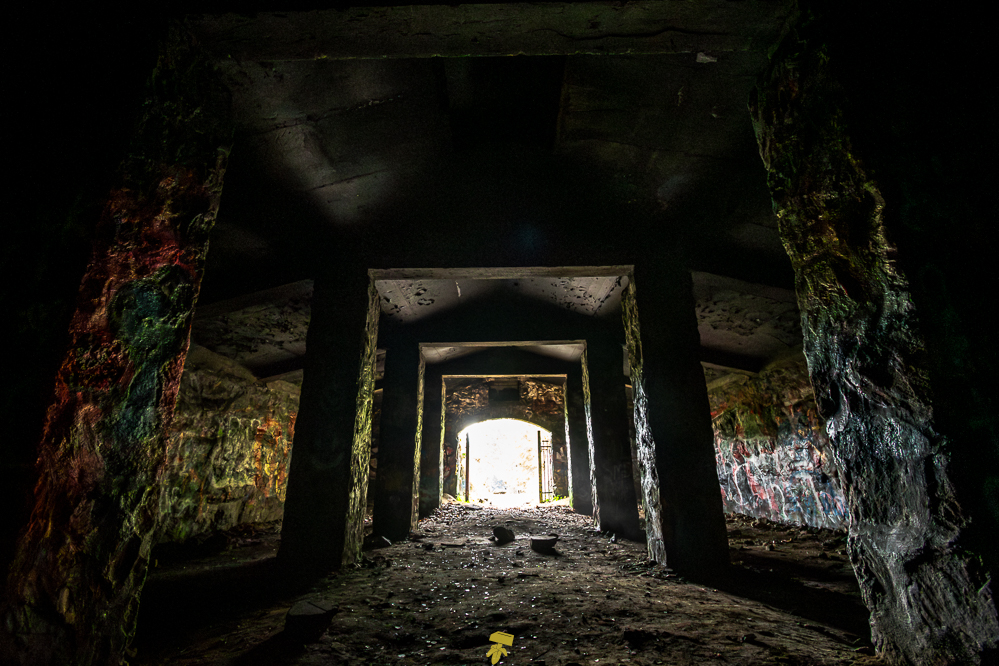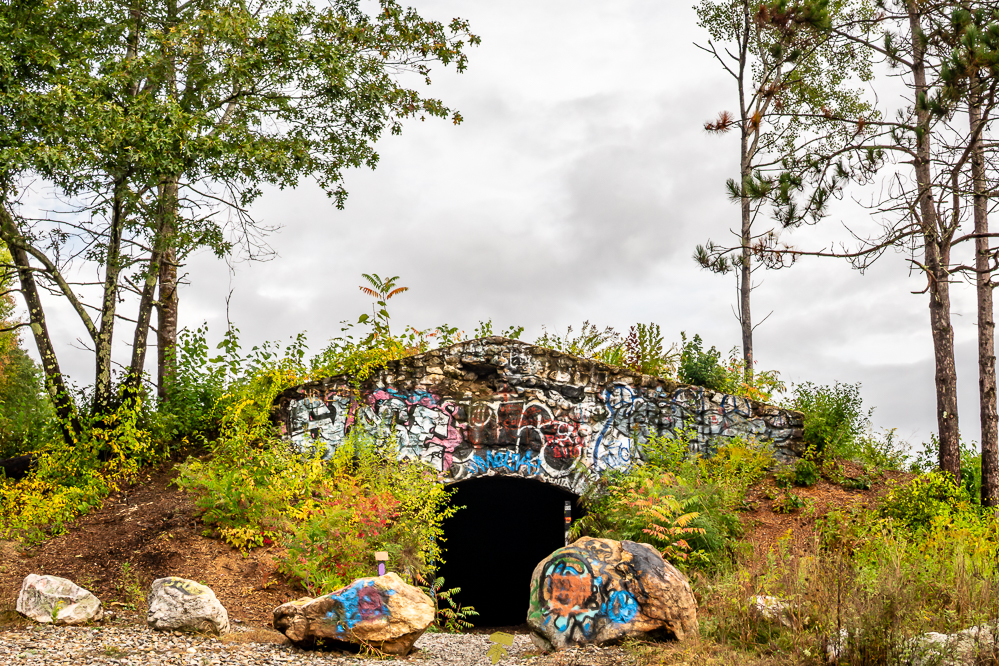
Ruins of a former prison farm where minor offenders tended to fields of potatoes to feed other prisoners, left to decay in the middle of the woods in Massachusetts. Aside from minor traces of the former prison camp, the main features include solitary confinement cells and a root cellar.
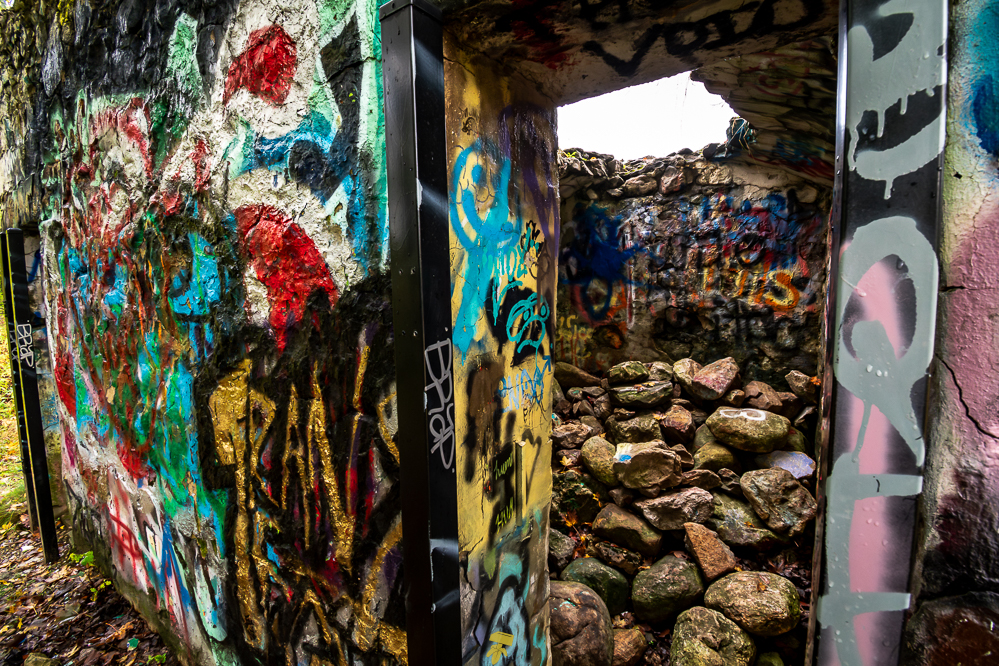
After driving a short distance down a dirt road, you will come upon a tiny parking area. Around the corner, you will find the remnants of solitary confinement cells, a root cellar, cracked foundations, and moss-covered sidewalks, all splashed with graffiti. Time and nature have reclaimed the site, but the place still hums with echoes of its past — a haunting, forgotten chapter hidden deep in the woods.
The prison was built in 1903 to hold minor offenders, mostly drunks, vagrants, and small-time troublemakers who filled the jails of Worcester County. The facility ran a cooperative farm that kept the inmates busy with a grand vision to reclaim and improve wasted lands. On 150 acres of its sprawling 914-acre property, prisoners tended fields of potatoes that were shipped to the state prison while others raised vegetables, cared for chickens, and milked dairy cows.
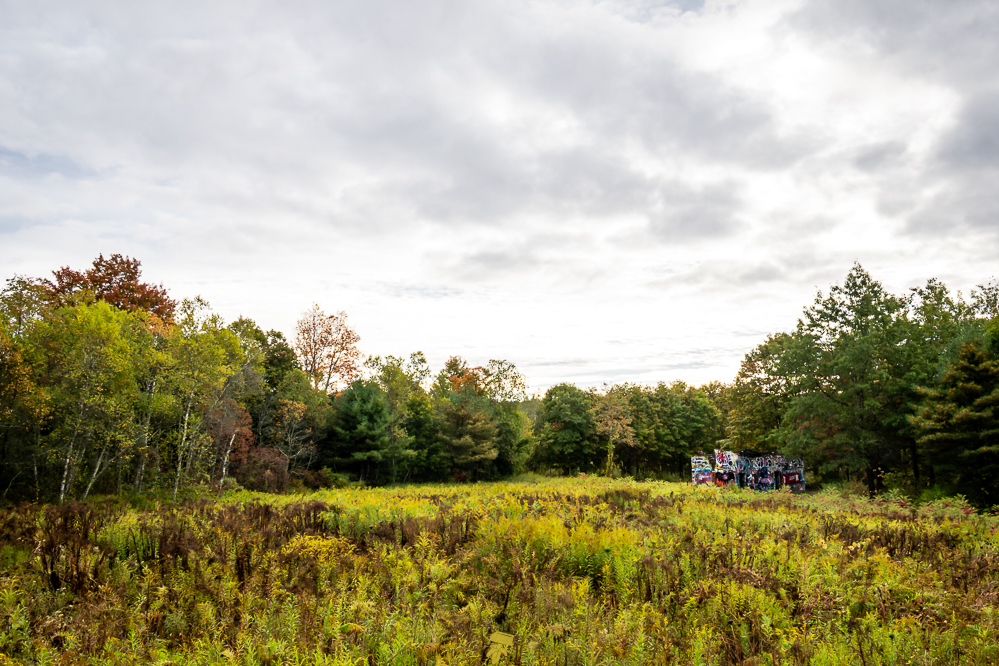
The prison grounds contained dormitory homes for the staff, a water tower, and a small tuberculosis hospital. The entire complex sat on a drainage area for the newly created Quabbin Reservoir, resulting in the prison’s closure in 1934, with some of the buildings left to the encroaching forest, along with a cemetery of unmarked graves of some prisoners.